United States OEM & Fleet Programs
Production battery packs (12V–144V+), custom BMS integration, and scheduled commercial freight across all 50 states.


LBC / Custom battery systems
Lithium Battery Company supplies 12V–144V+ LFP and NMC battery designs (3.7–768V, 1.5–720Ah) for North American OEMs. CANbus, RS485 and SMBus options are reviewed per design. Catalog programs start at 10 units; custom designs at 25. OEM delivery covers the United States, Canada, and Mexico with UN 38.3 transport documentation.
LBC / ENGINEERING MATCH 01
Requested: Matched specifications and volume quote
Trusted by the FBI, NCIS, the Pentagon Force Protection Agency, the U.S. Army, U.S. Air Force and U.S. Navy, DEA, ICE Homeland Security Investigations, IRS Criminal Investigation, USDA / U.S. Forest Service, NOAA and USGS.
OEM supply / North America
Custom and catalog lithium-ion and LiFePO4 battery packs for OEMs and fleet programs across the United States, Canada, and Mexico. Since 2014, hundreds of thousands of packs delivered.
Production battery packs (12V–144V+), custom BMS integration, and scheduled commercial freight across all 50 states.
Cross-border commercial ground freight to Ontario, Quebec, BC, and Alberta OEMs with complete UN 38.3 test summaries, Class 9 dangerous goods documentation, and UL / CSA alignment support.
Canada OEM supply →Cross-border ground logistics and customs-ready commercial documentation for industrial, AGV, material-handling, and EV OEM assembly programs in Mexico.
Mexico OEM supply →Yes — LBC supplies commercial OEM and fleet battery programs across the United States, Canada, and Mexico with full UN 38.3 transport documentation and cross-border ground freight support.
Every production program includes UN 38.3 transport test documentation, MSDS/SDS, and Class 9 hazardous materials shipping support, with pack engineering aligned to UL and CSA requirements as specified by your OEM program.
Catalog battery pack programs start at 10 units and custom-engineered battery pack programs start at 25 units.
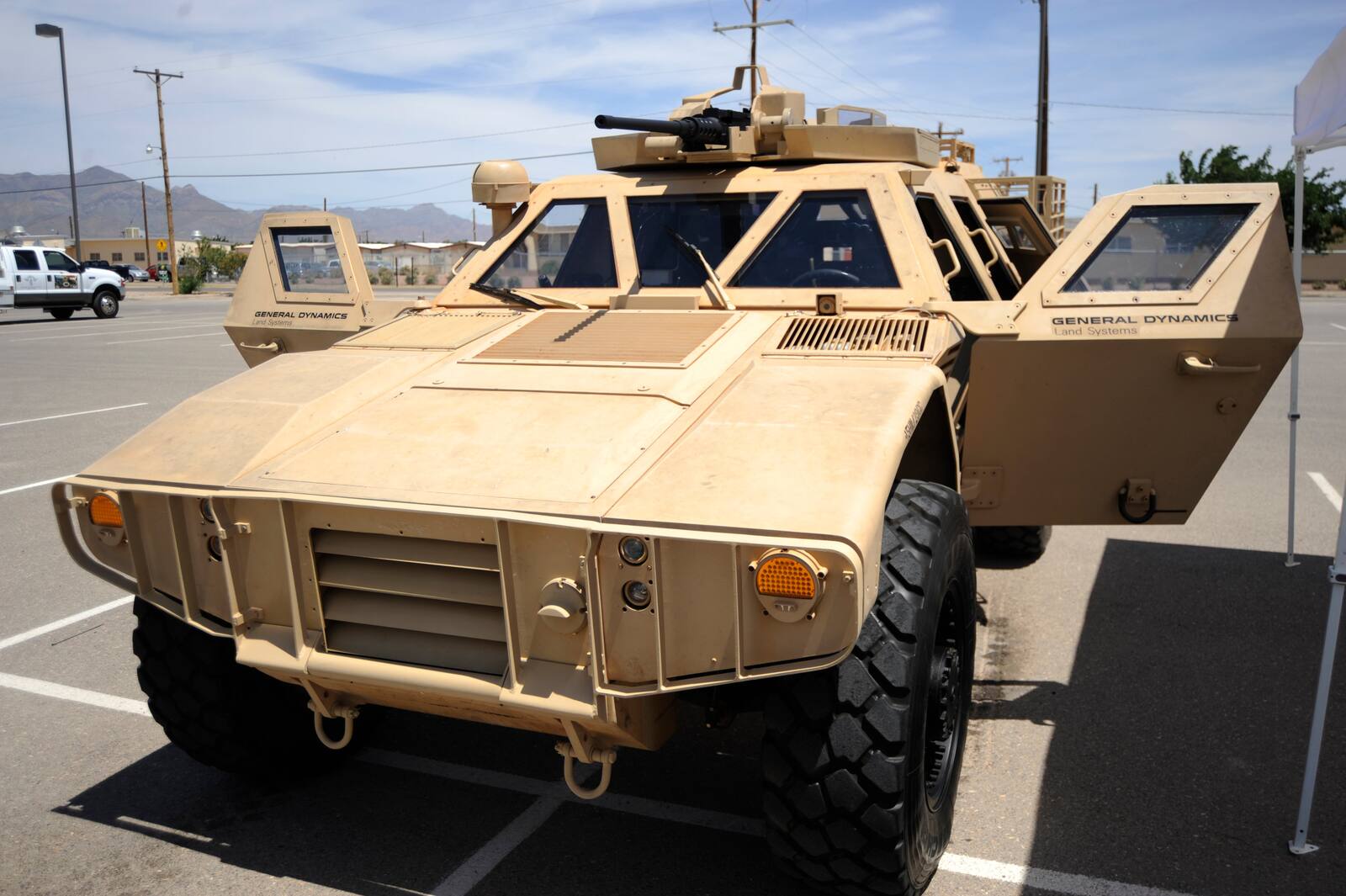
Application / 01
Ground systems.Portable power, integrated.
Explore Defense
Application / 02
Drive power.Charging and communications.
Explore Robotics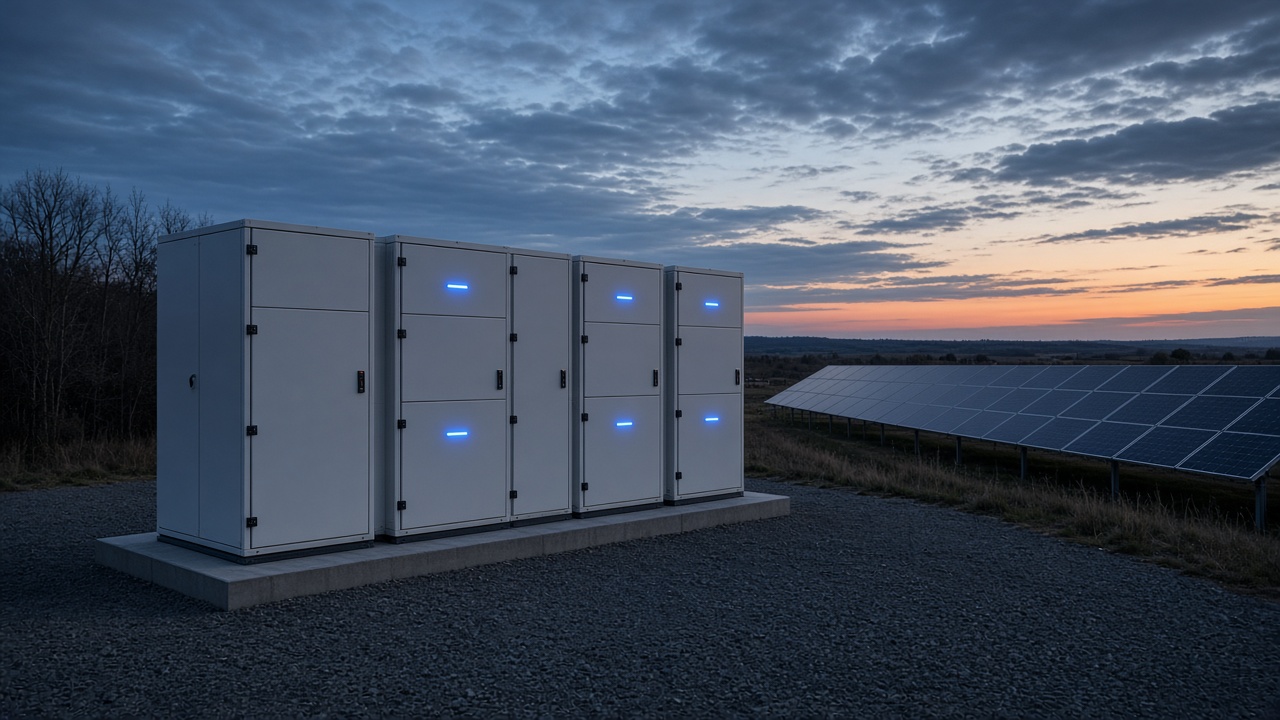
Application / 03
Commercial storage.LFP pack design.
Explore Energy storage
Application / 04
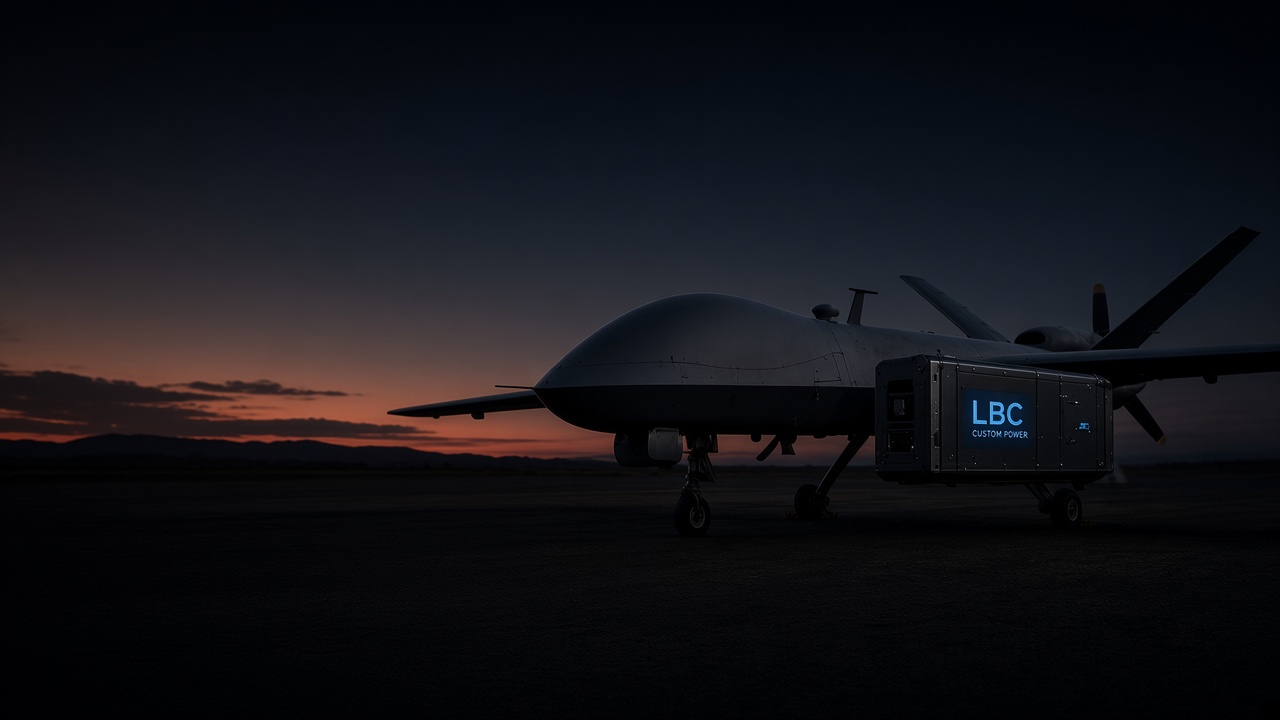
Power for flight.Load and runtime matched.
Explore Drones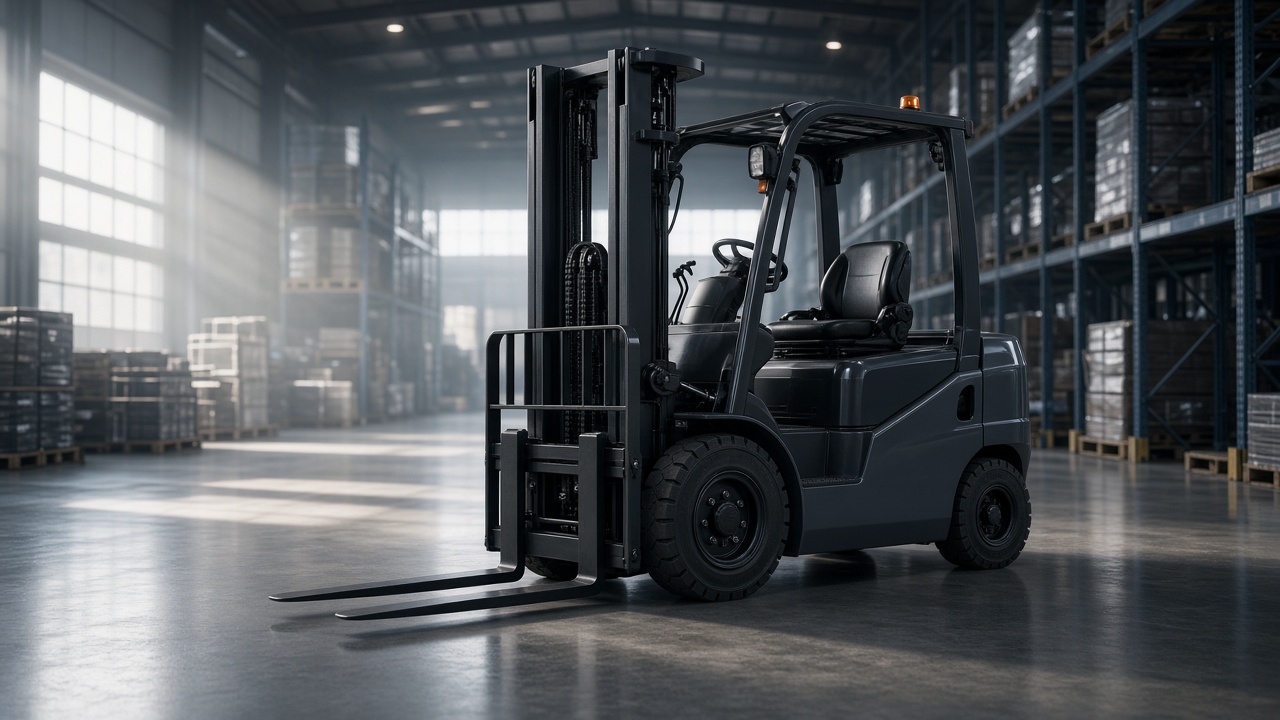
Application / 05
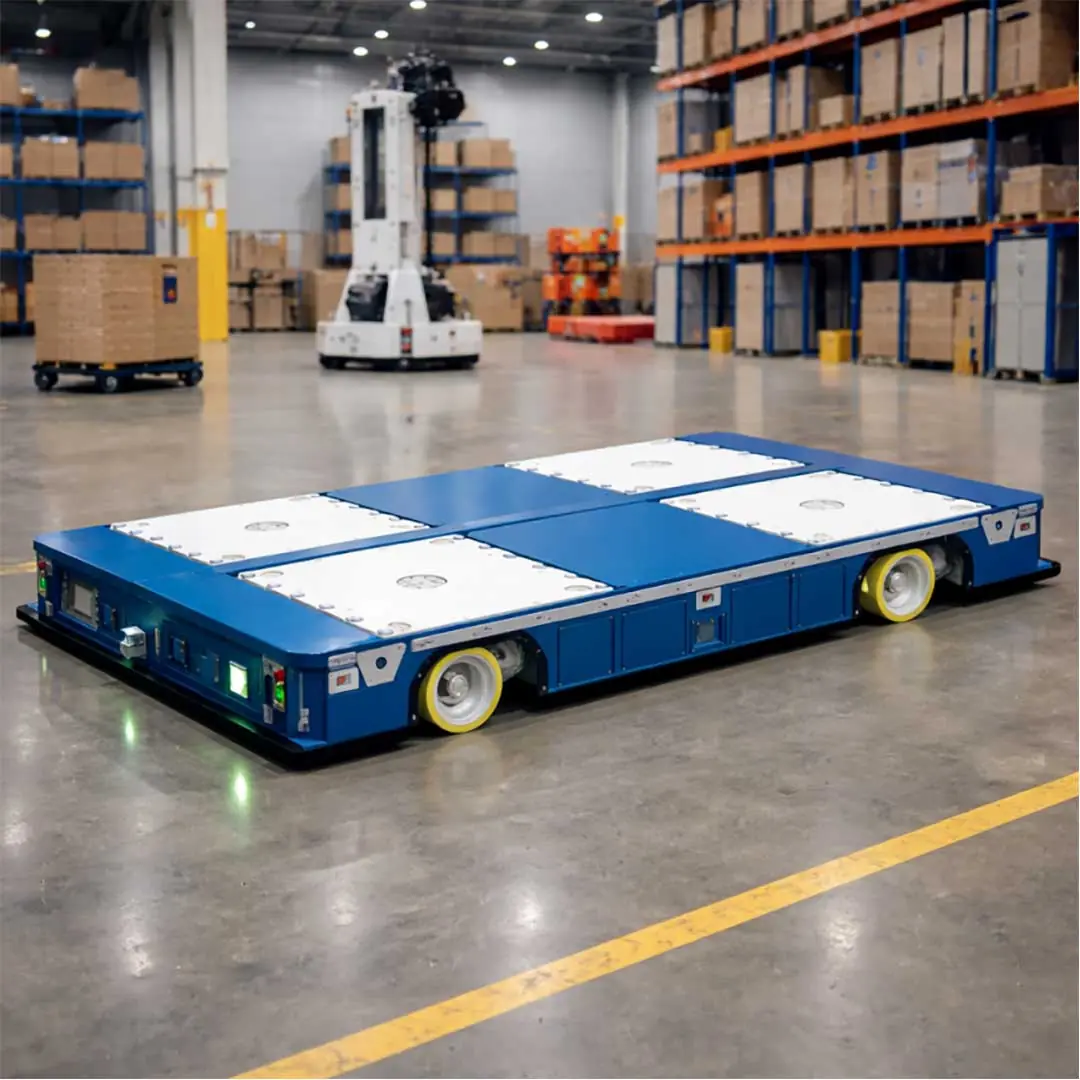
Material handling.Power for OEM equipment.
Explore Forklifts
Application / 06
Backup power.Cabinets and monitoring.
Explore Telecom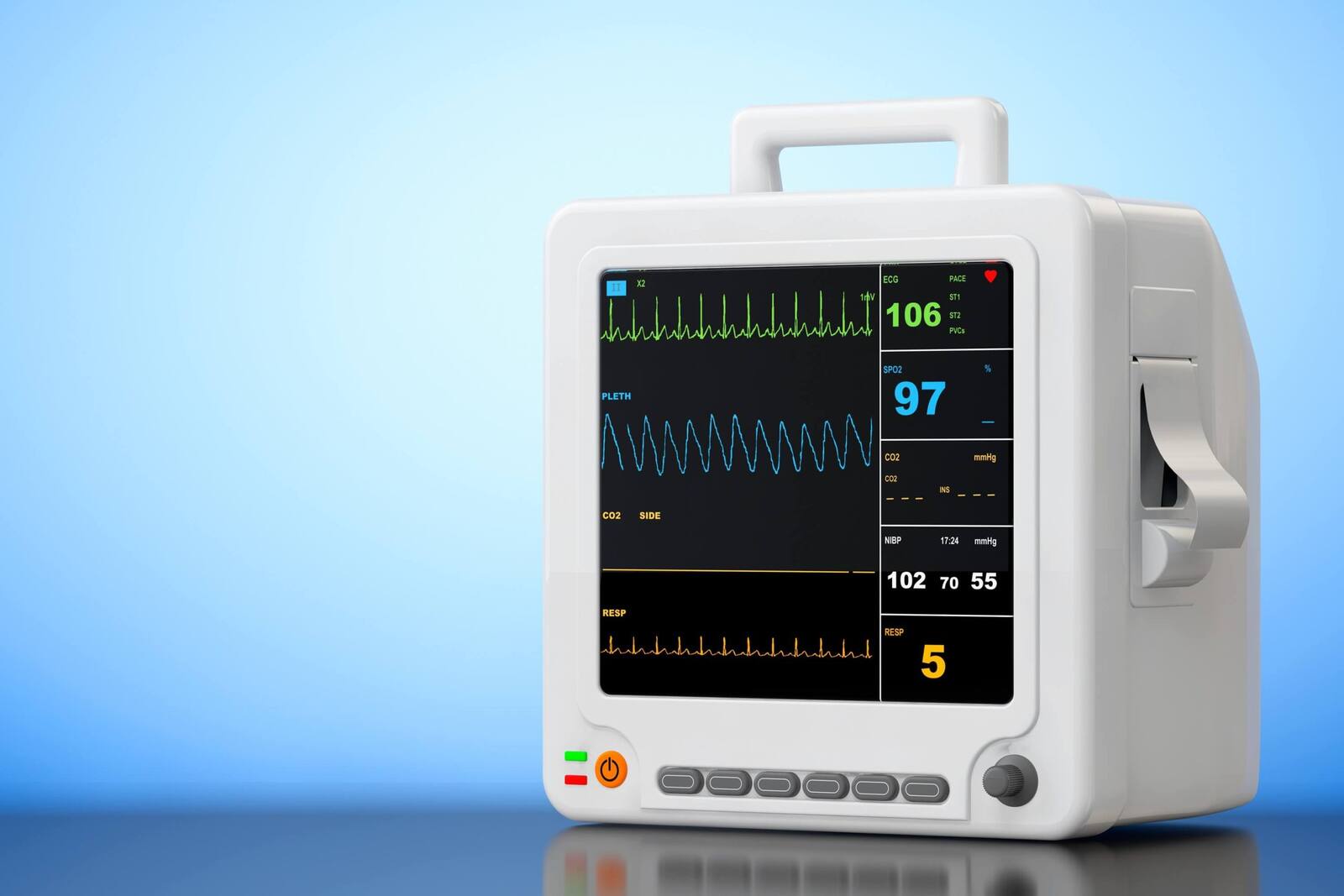
Application / 07
Portable equipment.Pack integration for OEMs.
Explore Medical
Application / 08
Monitoring systems.Designed around duty cycle.
Explore Oil & gas
Application / 09
Equipment power.Matched to load and space.
Explore Industrial
Design / Integration / Production
Tell us what the battery powers, your voltage window, load, runtime and quantity.
Match cells, BMS, charging and enclosure to the equipment.
Review prototypes against your approved requirements.
Move from pilot builds to your OEM production program.
Start with what you know
Tell us about your equipment and quantity. We’ll help define the next step.
We specialize exclusively in LFP (Lithium Iron Phosphate) and NMC/NCM (Nickel Manganese Cobalt) — the two chemistries that dominate serious OEM programs. LFP is often selected for industrial cycling and thermal stability. NMC is often selected when pack weight and energy density are tighter constraints. Final performance is confirmed during project review.
Yes. Every battery pack from Lithium Battery Company ships with a matched Battery Management System (BMS) that includes cell balancing, over-current protection, over-temperature protection, short-circuit protection, and state-of-charge (SOC) estimation. The BMS is never an add-on — it is standard on every configuration, from catalog designs to fully custom packs.
The catalog is a library of reference designs, for volume OEM programs. Each confirmed OEM program follows an approved specification and quantity.
Catalog reference-design programs begin at 10 units and custom configurations begin at 25 units. Volume pricing depends on the approved design, first order, annual forecast, component sources, quality requirements, production path, and delivery terms.
Lead time is quoted after LBC confirms the approved bill of materials, production partner, component availability, validation scope, quantity, quality requirements, and delivery terms. A reference design can shorten engineering work, but it is not presented as pre-built inventory.
Yes. LBC develops custom enclosures, connector interfaces, and pack configurations around the application, then qualifies the appropriate production partner. We support custom voltages, capacities, cell formats, connector types, communications, and enclosure materials.
Yes. LBC can review defense-program requirements for documented sourcing, approved sourcing, environmental testing, and applicable standards. Sourcing requirements, test plans and documentation are project-specific and confirmed in writing for the proposed configuration.
Yes. LBC can review the current battery, equipment interface, failure symptoms, operating environment, charger, communications, packaging, and program constraints to develop an application-specific replacement direction. Urgent programs are triaged quickly, and the prototype schedule is confirmed after the technical scope and component requirements are understood.


392LFP & NMC reference designs